Official Ticket Seller of Grand Boat Line
Valid for 24 hoursNow only 10€

Bosphorus Boat Tour

Scenic cruise on the Bosphorus.

Fast Booking Reserve your spot
Total: €0

Bosphorus Cruise vs Ferry: Which One is Better for Tourists?

Bosphorus Cruise vs Ferry: Which One is Better for Tourists?

Introduction to the Bosphorus Experience

The Bosphorus Strait is a remarkable geographical feature that elegantly separates Europe from Asia, serving as a natural boundary and crucial trade route. This strait runs approximately 31 kilometers and is renowned for its breathtaking views, intricately linking the historical and modern facets of Istanbul, one of the world’s most vibrant cities. With its rich cultural heritage, the Bosphorus has been an important landmark for centuries, captivating the attention of emperors, artists, and travelers alike.

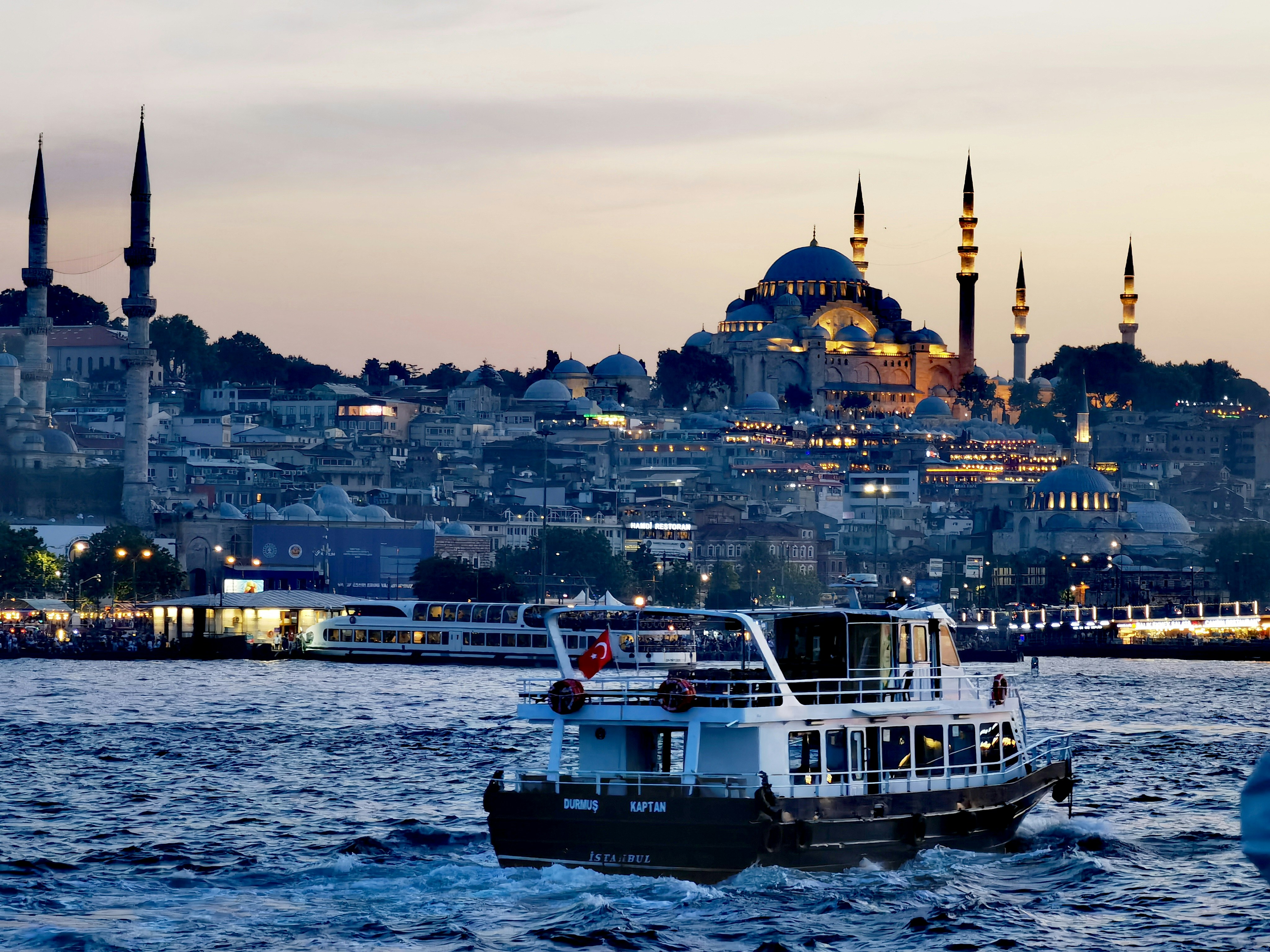
The stunning scenery along the Bosphorus contrasts the ancient, ornate palaces and fortresses with the contemporary skyline that defines modern Istanbul. Visitors to this enchanting waterway are often treated to the sight of lush green hillsides, opulent mansions, and the bustling activity of local boats. The Bosphorus cruise offers tourists an opportunity to appreciate this picturesque landscape from the water, providing unique perspectives that cannot be easily experienced on land. Meanwhile, the ferry ride presents a more practical means of transportation, connecting various neighborhoods along the coastline and allowing locals and tourists alike to navigate the city while enjoying the remarkable views.

Both cruises and ferries are prevalent among visitors to Istanbul, each presenting its own distinct advantages. A Bosphorus cruise typically promises a leisurely journey that often includes guided tours, dining options, and stops at notable landmarks, all positioned against the backdrop of the strait’s captivating scenery. In contrast, ferries offer a straightforward and economical way to cross the Bosphorus, effectively enabling passengers to explore multiple destinations in a single day. As such, choosing between a Bosphorus cruise and a ferry ride requires consideration of one’s preferences, budget, and overall travel objectives.

The Bosphorus Cruise Experience

A Bosphorus cruise offers a unique and immersive experience for tourists looking to explore the stunning beauty of Istanbul. These cruises typically embark from various points along the Bosphorus Strait, with popular routes transporting passengers from Eminönü to Anadolu Kavağı, or even circling the Black Sea. Most cruises range from one to two hours, providing just enough time to take in the breathtaking surroundings.

While on board, tourists can enjoy a range of amenities designed to enhance their experience. Many cruise operators provide comfortable seating, panoramic viewing decks, and even enclosed areas for those who prefer indoor accommodations. Dining options vary; some cruises offer full meals with traditional Turkish cuisine, while others may provide light snacks and beverages, allowing passengers to indulge as they admire the views.

Entertainment often plays a significant role in the Bosphorus cruise experience. Live music performances, cultural shows, or guided narrations about the historical significance of landmarks can frequently be enjoyed during the journey. As the cruise sails past iconic sites like the magnificent Dolmabahçe Palace, the historic Rumeli Fortress, and the elegant waterfront mansions of wealthy Ottomans, passengers have the opportunity to appreciate the architectural splendor that lines the shores.

The visual allure is complemented by the rich history encapsulated within these landmarks. The interplay of sunlight and shadows on the water creates a picturesque backdrop that is both calming and inspiring. A Bosphorus cruise is not just about the destinations; it is an experience that allows visitors to connect with the city’s cultural tapestry, making it a must-do for anyone visiting Istanbul.

The Ferry Ride: A Local’s Perspective

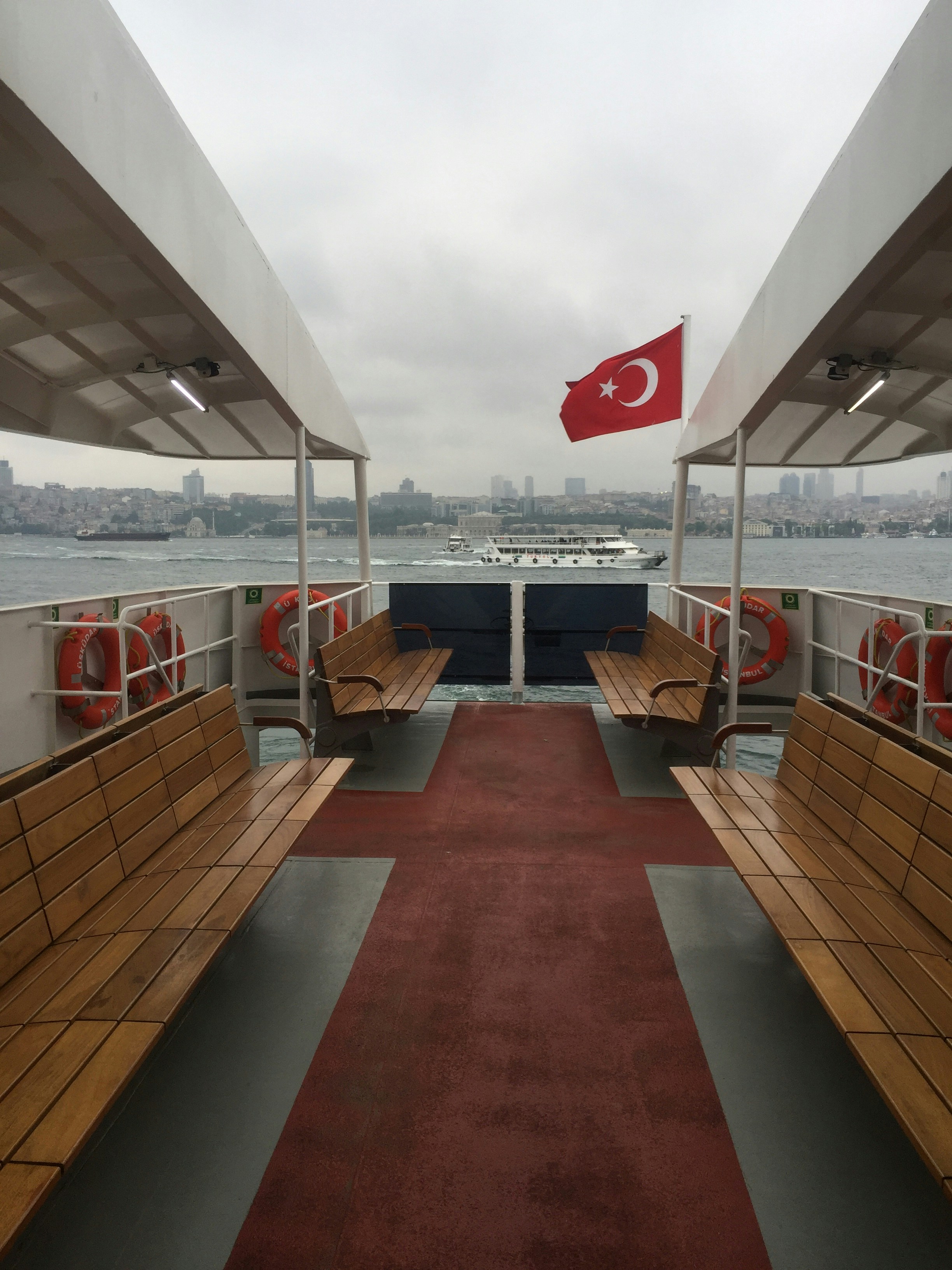
Taking a ferry across the Bosphorus is not just a mode of transportation; it is an integral part of the daily lives of many locals and offers tourists a unique glimpse into the authentic rhythm of Istanbul. Operating regularly throughout the day, these ferries provide an efficient way to traverse the busy strait that separates Europe from Asia, significantly reducing travel time compared to roadways, especially during peak hours.

The affordability of the ferry service further enhances its appeal. Ticket prices are reasonable, making it accessible to both residents and visitors. Unlike more expensive Bosphorus cruises which may focus on offering extensive sightseeing experiences, the ferry costs significantly less and can accommodate everyday passengers, whether commuting for work, shopping, or leisurely outings. Additionally, local ferry rides boast frequent departures, ensuring that it is convenient to hop on and off whenever desired.

In terms of routes, the ferry system connects several key locations across the strait, including essential urban centers. This allows passengers to enjoy picturesque views of Istanbul’s historic skyline, punctuated by landmarks such as the Hagia Sophia and the Topkapi Palace, all while experiencing the typical daily transit hustle. While enjoying these sights, passengers may also opt for delightful onboard snacks and beverages available for purchase, further enhancing their journey.

In contrast to the more structured and often tourist-centric Bosphorus cruises, the ferry ride immerses individuals in a vibrant atmosphere filled with local characters and stories. Many people can be seen engaging in conversation, reading, or simply soaking in the views. This local perspective transforms what could be a simple boat trip into an engaging experience, allowing tourists to feel the essence of Istanbul as they traverse its iconic waters.

Which Option is Better for Tourists?

When deciding between a Bosphorus cruise and a ferry ride, tourists should consider multiple factors that can influence their experience. Both options offer unique perspectives of the stunning scenery along the Bosphorus Strait, but they cater to different needs and budgets.

Cost is a significant factor. Typically, ferry rides are budget-friendly, making them an excellent option for travelers looking to explore the area without straining their finances. Conversely, a Bosphorus cruise often comes with a higher price tag, especially if it includes additional amenities like dining or guided tours. Tourists with a more flexible budget may find that the added cost of a cruise can enhance their experience through comfortable seating and onboard entertainment.

Duration is another crucial aspect to consider. Ferry rides are relatively quick, providing a direct means of transport between points along the Bosphorus. This can be ideal for those who are short on time or primarily need to travel from one location to another. On the other hand, a Bosphorus cruise can last several hours, offering a leisurely viewing of the strait’s picturesque coastline and landmarks, which is perfect for tourists who wish to immerse themselves in the surroundings.

From a scenic perspective, both options allow passengers to enjoy sweeping views of palaces, fortresses, and charming waterfront houses. However, a Bosphorus cruise typically allows for a more in-depth look at these attractions, often stopping at key points of interest and providing commentary.

Ultimately, the choice between a Bosphorus cruise and a ferry depends on individual preferences. Budget-conscious tourists may favor the ferry for its affordability, while those seeking a more comprehensive experience might lean towards a cruise. Each option has its merits, and both provide valuable insights into the Bosphorus’s beauty, making them worthwhile experiences for any traveler.

Exploring the Rich History of Bosphorus Cruises in Istanbul

Exploring the Rich History of Bosphorus Cruises in Istanbul

The Significance of the Bosphorus Strait

The Bosphorus Strait, a narrow natural waterway, serves as a critical geographical feature that separates two continents: Europe and Asia. Its strategic location has significant implications for trade, military endeavors, and cultural exchanges throughout history. As a vital passage connecting the Black Sea to the Sea of Marmara, the strait has historically been a crucial route for maritime traffic, facilitating the exchange of goods and ideas between the East and the West. This trade route not only enabled economic prosperity for surrounding regions but also played a pivotal role in shaping the geopolitical landscape.

Historically, the Bosphorus has been a site of military significance due to its role as a chokepoint for naval forces. Various empires, including the Byzantine and Ottoman, recognized the strategic advantages bestowed by controlling this waterway. Their dominance over the strait allowed them to protect trade routes and exert influence over surrounding territories. Consequently, the Bosphorus has been the backdrop for numerous pivotal military confrontations, each contributing to its storied past.

Moreover, the Bosphorus Strait has also been a catalyst for cultural exchange, bridging diverse civilizations through its waters. The rich cultural interactions among various communities along the strait’s banks have led to a unique blend of traditions, cuisines, and architectural styles that can still be observed today. Visitors on Bosphorus cruises are often enchanted by the stunning landscapes, featuring historical landmarks that tell the story of Istanbul’s evolving identity. The allure of the Bosphorus, enhanced by its natural beauty, continues to draw travelers, further solidifying its status as a cherished asset in both historical and contemporary contexts.

Early Beginnings of Bosphorus Cruises

The origins of Bosphorus cruises can be traced back to the Byzantine Empire, where the strait served as a vital route for trade and transportation. As the center of trade between Europe and Asia, the Bosphorus became a bustling conduit for merchants and sailors. During this time, wooden boats known as ‘kaiks’ were commonly used, featuring simple designs that reflected the straightforward demands of water travel. These early vessels not only facilitated the movement of goods but also provided a means for the wealthy elite to engage in leisurely activities along the scenic waterways.

With the advent of the Ottoman Empire, the popularity of Bosphorus cruises flourished significantly. The Ottoman sultans often commandeered elaborate state barges for both official purposes and recreational outings, paving the way for a culture of leisure boating on the Bosphorus. It was during this period that the boats began to evolve in their design, becoming more ornate and accommodating to the increasing number of tourists and dignitaries. Notable figures such as Sultan Suleiman the Magnificent were known to host grand events on these floating palaces, attracting notable personalities across the empire.

The romantic allure of cruising along the Bosphorus also caught the attention of artists and writers, who often depicted the region’s breathtaking landscapes and rich maritime heritage in their works. The combined elements of trade, transport, and leisure indicate that Bosphorus cruises were integral to the socio-economic fabric of the area. Over the centuries, as boat construction techniques progressed and leisure activities expanded, the tradition of Bosphorus cruises not only endured but also evolved into a vital cultural experience that attracts millions of visitors today.

Modern Era and Tourism Development

The evolution of Bosphorus cruises in Istanbul during the modern era reflects significant changes in both the tourism industry and local cultural experiences. Historically known as a vital waterway linking Europe and Asia, the Bosphorus has transitioned into a key attraction for both domestic and international visitors. The rise of global tourism trends has shaped the offerings and operations of cruise services on this iconic strait.

With the increasing interest in Istanbul as a prime travel destination, organized boat tours have become widely popular among tourists. These tour companies have diversified their offerings, providing a range of experiences from sightseeing excursions to luxury dinner cruises. Sightseeing cruises typically highlight key landmarks along the Bosphorus, such as the majestic Dolmabahçe Palace and the historical Rumeli Fortress, offering tourists both visual splendor and educational insights.

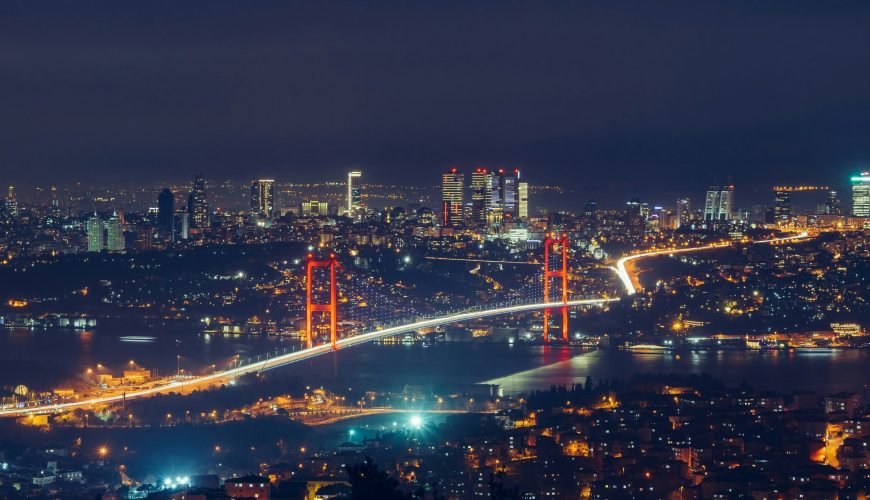
Dinner cruises, on the other hand, allow visitors to enjoy a unique dining experience while admiring the stunning waterfront views of Istanbul illuminated at night. This blend of gastronomy and scenery not only enhances the appeal of cruises but has also contributed to the local economy by supporting restaurants and catering services. Additionally, private charters have emerged as a favored option for those seeking a more personalized experience, accommodating special events such as weddings or corporate gatherings.

As the local economy has adapted to these tourism developments, the cultural landscape surrounding the Bosphorus has also witnessed transformation. The influx of tourists has encouraged investment in infrastructure, enhancing the overall visitor experience. Moreover, local businesses have capitalized on this trend, creating jobs and fostering economic growth within the community.

In essence, the Bosphorus cruises have not only redefined leisure on the water but have also become an integral part of Istanbul’s broader tourism narrative, embodying the city’s historical significance and its vibrant present.

Cultural Impact and Future Prospects of Bosphorus Cruises

The Bosphorus Strait is not merely a geographical divide between continents but also a significant cultural conduit that enriches the experience of Istanbul. Bosphorus cruises have become a vital part of contemporary life in the city, offering a unique opportunity for both locals and tourists to engage with the historical tapestry of Istanbul while surrounded by its stunning maritime landscapes. These cruises often serve as a bridge between cultures, providing glimpses into the traditions and lifestyles that thrive on either shore. By showcasing key landmarks and offering narratives that span centuries, these tours foster a deeper understanding of the city’s diverse heritage.

As the tourism sector evolves, the future prospects for Bosphorus cruising appear promising. With rising global interest in sustainable tourism and eco-friendly travel options, there is potential for the industry to adapt by adopting greener practices. Tour operators are increasingly recognizing the importance of minimizing environmental impact while enhancing the tourist experience. Innovations such as electric vessels or hybrid models may become integral to Bosphorus cruises, appealing to a growing number of environmentally-conscious travelers.

Moreover, the appreciation of local culture and heritage is crucial as tourism continues to expand. Implementing strategies that protect and promote the rich cultural heritage associated with the Bosphorus waterways will ensure that future generations can enjoy and learn from these historical narratives. Collaborations between local communities, governments, and tourism stakeholders can pave the way for responsible tourism practices that celebrate the diversity and vibrancy of Istanbul. In doing so, the Bosphorus cruise industry can maintain its relevance while fostering a deeper connection with both residents and visitors alike.

Exploring the Majestic Mansions and Historical Boats of the Istanbul Bosphorus

Introduction to the Istanbul Bosphorus

The Istanbul Bosphorus, a narrow natural strait of immense significance, serves as a crucial juncture between the Black Sea and the Sea of Marmara, further linking to the Aegean and Mediterranean Seas. This unique geographical feature has played a pivotal role in the history of empires and civilizations, acting as both a barrier and a conduit for trade, cultural exchange, and military strategy. Stretching approximately 30 kilometers, the Bosphorus divides the European and Asian sides of Istanbul, making it one of the few places in the world where two continents meet in such a dramatic and picturesque manner.

Historically, the Bosphorus has been a strategic waterway of immense importance. From the ancient Greeks and Romans to the Byzantine and Ottoman Empires, control of this vital passage has been coveted by many. It served as a gateway for commerce, enabling the flow of goods, ideas, and culture between East and West. The shores of the Bosphorus are lined with opulent palaces, grandiose mansions, and historic boats, each telling a story of the city’s rich and diverse past.

Today, a Bosphorus cruise offers visitors a chance to experience the grandeur and beauty of this historic waterway. The boat tour along the Bosphorus provides an unparalleled view of Istanbul’s skyline, replete with minarets, domes, and modern skyscrapers. As you traverse this scenic route, the juxtaposition of ancient fortresses and contemporary structures encapsulates the city’s dynamic evolution. The mansions, or “yalis,” that dot the coastline are architectural marvels, showcasing a blend of Ottoman, European, and modern design elements. Additionally, historic boats that once served sultans and dignitaries now offer a nostalgic glimpse into the maritime heritage of Istanbul.

In essence, the Istanbul Bosphorus is more than just a body of water; it is a living testament to the city’s historical and cultural legacy. Whether viewed from the deck of a boat or the terrace of a waterside mansion, the Bosphorus continues to enchant and inspire, bridging the past with the present in a seamless flow of time and tradition.

Majestic Mansions: A Glimpse into Ottoman Elegance

The shores of the Bosphorus are adorned with numerous yalıs, or waterside mansions, that provide a vivid glimpse into the grandeur of the Ottoman era. These architectural gems, dating back to the 18th and 19th centuries, are not merely residences but embodiments of cultural and historical significance. The distinct architectural features of these mansions, such as intricate woodwork, expansive courtyards, and elaborately decorated facades, reflect the opulence of their time.

Among the notable examples of these grand residences is the Khedive Palace. Built in 1907, it showcases a blend of Art Nouveau and Ottoman architectural styles, offering a unique aesthetic that captures the essence of a transitional period in Istanbul’s history. Another significant mansion is the Sadullah Pasha Mansion. This iconic structure, with its elegant wooden construction and intricate detailing, stands as a testament to the architectural prowess of the Ottoman era.

The stories of the influential families who once inhabited these mansions add an additional layer of intrigue. These families played pivotal roles in the social and political spheres of the Ottoman Empire, and their homes were often centers of cultural and intellectual activity. The mansions served as venues for significant gatherings, where matters of state, art, and literature were discussed, further enriching the cultural tapestry of Istanbul.

In contemporary times, efforts have been made to preserve these historic mansions, ensuring they remain integral parts of modern-day Istanbul. Many have been meticulously restored and converted into museums, luxury hotels, and cultural centers, allowing locals and tourists alike to experience the grandeur of the Ottoman era firsthand. A Bosphorus cruise or boat tour offers an unparalleled opportunity to admire these majestic mansions from the water, providing a unique perspective on their architectural beauty and historical significance.

The Bosphorus Strait, a vital maritime corridor linking the Black Sea to the Sea of Marmara, has been a thriving route for centuries. This historic waterway is not only a natural divide between Europe and Asia but also a repository of Istanbul’s rich nautical heritage. The waters of the Bosphorus are home to various historical boats, each narrating stories of the region’s vibrant past.

Traditional Turkish Caïques

Among the most notable vessels gracing the Bosphorus are the traditional Turkish caïques. These slender, wooden boats were once ubiquitous in the waters of Istanbul. Used primarily for fishing and transportation, caïques were expertly handcrafted to navigate the diverse currents of the Bosphorus. Their elegant design and functional prowess made them a staple of daily life, ferrying goods and people across the strait. Today, some of these caïques are preserved as part of Istanbul’s maritime heritage, offering a nostalgic glimpse into a bygone era.

Historical Ferries

The historical ferries of the Bosphorus, known for their distinctive silhouettes, played a crucial role in shaping the city’s transport system. These ferries facilitated the movement of residents and goods between the European and Asian sides of Istanbul, fostering economic and social ties. The advent of steam-powered ferries in the 19th century marked a significant leap, enhancing connectivity and commerce. Many of these historical ferries are still in use today, serving as a living testament to Istanbul’s maritime legacy.

Significance in Art and Literature

The historical boats of the Bosphorus have also found their way into the realms of art and literature. Renowned painters and poets have immortalized these vessels, capturing their essence and the life surrounding them. These representations not only highlight the aesthetic appeal of the boats but also underscore their integral role in the cultural and social fabric of Istanbul.

Preservation Efforts

Preserving these historical boats is paramount to safeguarding Istanbul’s nautical heritage. Various initiatives have been undertaken to restore and maintain these vessels, ensuring their stories continue to be told. Some of these boats have been repurposed for tourism, offering Bosphorus cruises that allow visitors to experience the historical ambiance firsthand. These preservation efforts not only protect the past but also enrich the present, providing unique, educational experiences for all.

Experiencing the Bosphorus Today: Tours and Cultural Heritage

The Bosphorus Strait remains a vibrant artery of Istanbul, weaving its way through the city’s rich tapestry of history and modernity. Today, it offers an array of opportunities for visitors to immerse themselves in its scenic and cultural allure. One of the most popular ways to experience this iconic waterway is through a Bosphorus cruise. These boat tours provide a unique vantage point to admire the splendid Ottoman-era mansions, known as ‘yalis’, and other historical structures that line the shores.

Several companies offer boat tours that cater to different preferences and schedules. Options range from short, one-hour excursions to comprehensive full-day tours. These cruises often include guided commentaries that enrich your understanding of the landmarks you pass, such as the Rumeli Fortress, the Dolmabahçe Palace, and the Maiden’s Tower. Evening cruises, in particular, offer a magical experience as the city’s skyline transforms under the setting sun, and illuminated buildings cast shimmering reflections on the water.

Beyond boat tours, the Bosphorus is a focal point for numerous cultural events and festivals. One of the most notable is the Bosphorus Cross-Continental Swimming Race, an annual event that attracts swimmers from around the world to traverse the strait from Asia to Europe. This event not only highlights the geographical significance of the Bosphorus but also its cultural unity, bridging two continents.

For visitors keen on exploring the Bosphorus, practical tips include starting your journey from the Eminönü or Beşiktaş piers, both easily accessible by public transport. A suggested itinerary might include a morning cruise followed by a visit to the Ortaköy Mosque and a leisurely afternoon at one of the waterfront cafes in Bebek or Arnavutköy. To maximize your experience, consider timing your visit to coincide with festivals or cultural events, thereby gaining a deeper appreciation of the Bosphorus’s role in Istanbul’s vibrant life.


WhatsApp'tan yaz