

The Significance of the Bosphorus Strait
The Bosphorus Strait, a narrow natural waterway, serves as a critical geographical feature that separates two continents: Europe and Asia. Its strategic location has significant implications for trade, military endeavors, and cultural exchanges throughout history. As a vital passage connecting the Black Sea to the Sea of Marmara, the strait has historically been a crucial route for maritime traffic, facilitating the exchange of goods and ideas between the East and the West. This trade route not only enabled economic prosperity for surrounding regions but also played a pivotal role in shaping the geopolitical landscape.
Historically, the Bosphorus has been a site of military significance due to its role as a chokepoint for naval forces. Various empires, including the Byzantine and Ottoman, recognized the strategic advantages bestowed by controlling this waterway. Their dominance over the strait allowed them to protect trade routes and exert influence over surrounding territories. Consequently, the Bosphorus has been the backdrop for numerous pivotal military confrontations, each contributing to its storied past.
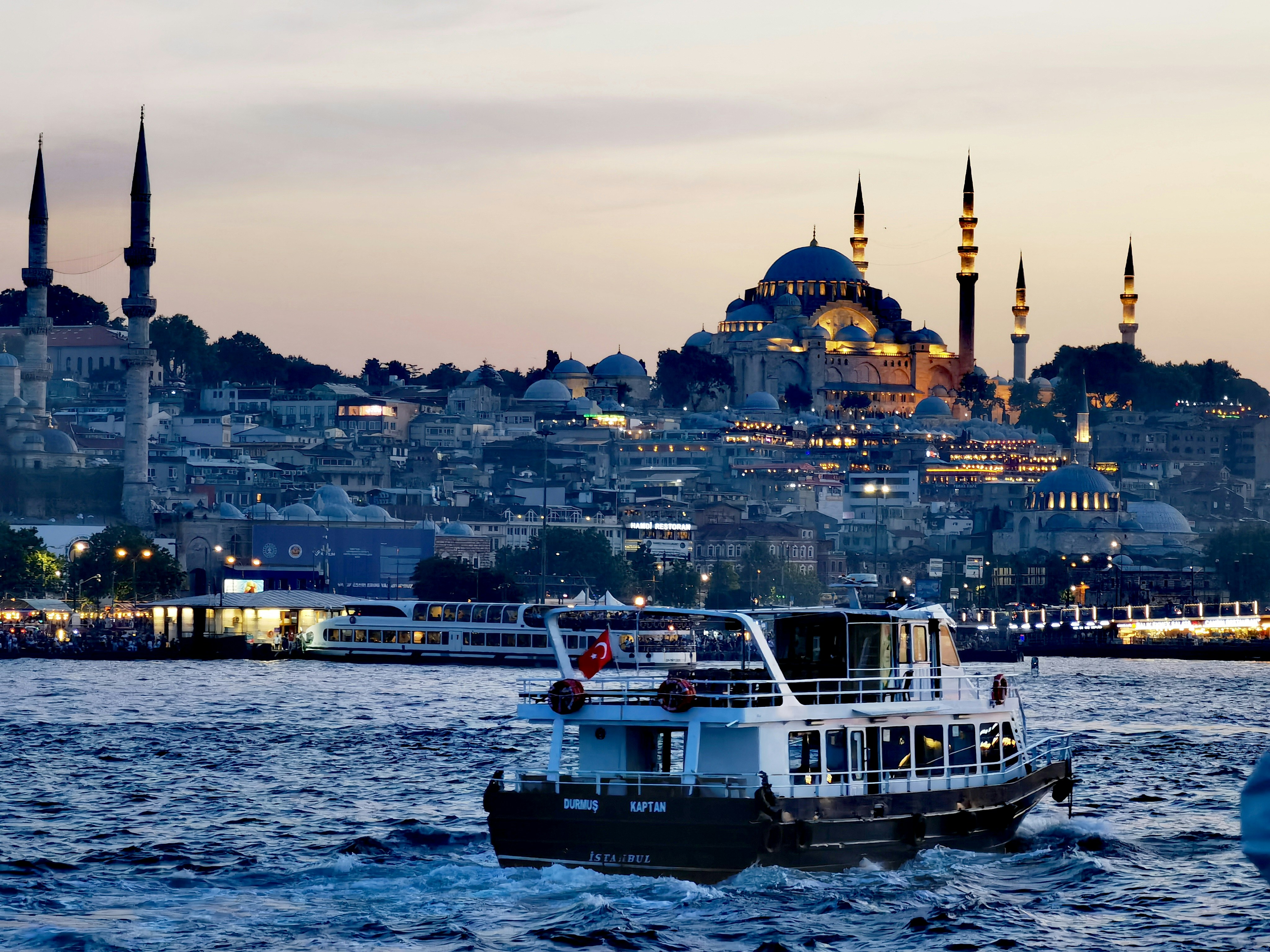
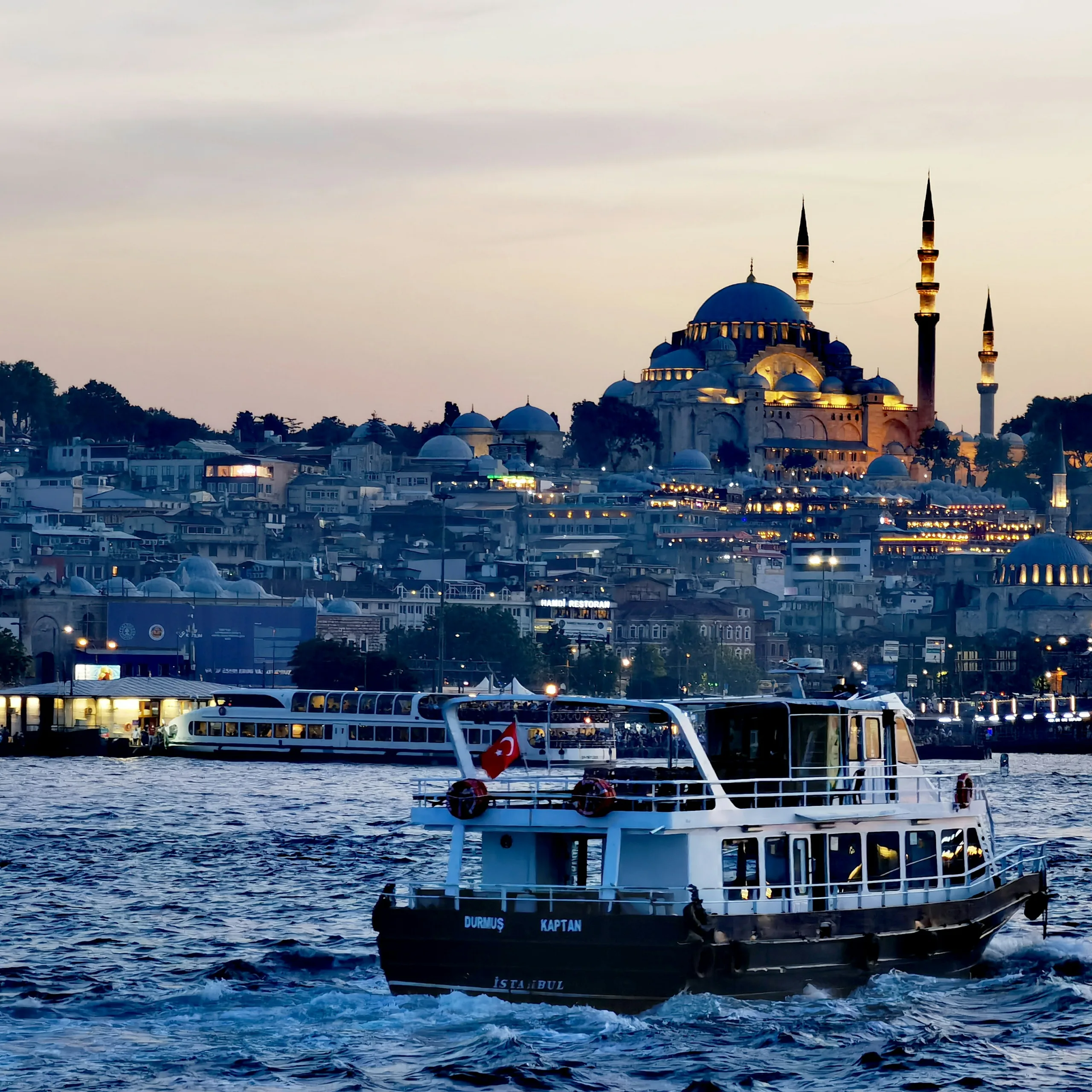
Moreover, the Bosphorus Strait has also been a catalyst for cultural exchange, bridging diverse civilizations through its waters. The rich cultural interactions among various communities along the strait’s banks have led to a unique blend of traditions, cuisines, and architectural styles that can still be observed today. Visitors on Bosphorus cruises are often enchanted by the stunning landscapes, featuring historical landmarks that tell the story of Istanbul’s evolving identity. The allure of the Bosphorus, enhanced by its natural beauty, continues to draw travelers, further solidifying its status as a cherished asset in both historical and contemporary contexts.
Early Beginnings of Bosphorus Cruises
The origins of Bosphorus cruises can be traced back to the Byzantine Empire, where the strait served as a vital route for trade and transportation. As the center of trade between Europe and Asia, the Bosphorus became a bustling conduit for merchants and sailors. During this time, wooden boats known as ‘kaiks’ were commonly used, featuring simple designs that reflected the straightforward demands of water travel. These early vessels not only facilitated the movement of goods but also provided a means for the wealthy elite to engage in leisurely activities along the scenic waterways.
With the advent of the Ottoman Empire, the popularity of Bosphorus cruises flourished significantly. The Ottoman sultans often commandeered elaborate state barges for both official purposes and recreational outings, paving the way for a culture of leisure boating on the Bosphorus. It was during this period that the boats began to evolve in their design, becoming more ornate and accommodating to the increasing number of tourists and dignitaries. Notable figures such as Sultan Suleiman the Magnificent were known to host grand events on these floating palaces, attracting notable personalities across the empire.
The romantic allure of cruising along the Bosphorus also caught the attention of artists and writers, who often depicted the region’s breathtaking landscapes and rich maritime heritage in their works. The combined elements of trade, transport, and leisure indicate that Bosphorus cruises were integral to the socio-economic fabric of the area. Over the centuries, as boat construction techniques progressed and leisure activities expanded, the tradition of Bosphorus cruises not only endured but also evolved into a vital cultural experience that attracts millions of visitors today.
Modern Era and Tourism Development
The evolution of Bosphorus cruises in Istanbul during the modern era reflects significant changes in both the tourism industry and local cultural experiences. Historically known as a vital waterway linking Europe and Asia, the Bosphorus has transitioned into a key attraction for both domestic and international visitors. The rise of global tourism trends has shaped the offerings and operations of cruise services on this iconic strait.
With the increasing interest in Istanbul as a prime travel destination, organized boat tours have become widely popular among tourists. These tour companies have diversified their offerings, providing a range of experiences from sightseeing excursions to luxury dinner cruises. Sightseeing cruises typically highlight key landmarks along the Bosphorus, such as the majestic Dolmabahçe Palace and the historical Rumeli Fortress, offering tourists both visual splendor and educational insights.
Dinner cruises, on the other hand, allow visitors to enjoy a unique dining experience while admiring the stunning waterfront views of Istanbul illuminated at night. This blend of gastronomy and scenery not only enhances the appeal of cruises but has also contributed to the local economy by supporting restaurants and catering services. Additionally, private charters have emerged as a favored option for those seeking a more personalized experience, accommodating special events such as weddings or corporate gatherings.
As the local economy has adapted to these tourism developments, the cultural landscape surrounding the Bosphorus has also witnessed transformation. The influx of tourists has encouraged investment in infrastructure, enhancing the overall visitor experience. Moreover, local businesses have capitalized on this trend, creating jobs and fostering economic growth within the community.
In essence, the Bosphorus cruises have not only redefined leisure on the water but have also become an integral part of Istanbul’s broader tourism narrative, embodying the city’s historical significance and its vibrant present.
Cultural Impact and Future Prospects of Bosphorus Cruises
The Bosphorus Strait is not merely a geographical divide between continents but also a significant cultural conduit that enriches the experience of Istanbul. Bosphorus cruises have become a vital part of contemporary life in the city, offering a unique opportunity for both locals and tourists to engage with the historical tapestry of Istanbul while surrounded by its stunning maritime landscapes. These cruises often serve as a bridge between cultures, providing glimpses into the traditions and lifestyles that thrive on either shore. By showcasing key landmarks and offering narratives that span centuries, these tours foster a deeper understanding of the city’s diverse heritage.
As the tourism sector evolves, the future prospects for Bosphorus cruising appear promising. With rising global interest in sustainable tourism and eco-friendly travel options, there is potential for the industry to adapt by adopting greener practices. Tour operators are increasingly recognizing the importance of minimizing environmental impact while enhancing the tourist experience. Innovations such as electric vessels or hybrid models may become integral to Bosphorus cruises, appealing to a growing number of environmentally-conscious travelers.
Moreover, the appreciation of local culture and heritage is crucial as tourism continues to expand. Implementing strategies that protect and promote the rich cultural heritage associated with the Bosphorus waterways will ensure that future generations can enjoy and learn from these historical narratives. Collaborations between local communities, governments, and tourism stakeholders can pave the way for responsible tourism practices that celebrate the diversity and vibrancy of Istanbul. In doing so, the Bosphorus cruise industry can maintain its relevance while fostering a deeper connection with both residents and visitors alike.


0 تعليق